
Venue Wireless RETHINK — Season 1 : Episode 1 – THE DEMAND IS CLEAR
Venue Wireless RETHINK — Season 1 : Episode 1 – THE DEMAND IS CLEAR
Todd Landry
August 5, 2026
On June 29, 2026, at the annual Sports & Entertainment Alliance for Technology (SEAT) Conference, I presented to a cross-section of this industry, including sports clubs, solutions providers, 3POs, wireless carriers, and sports venue consultants. The session was titled “Venue Wireless RETHINK – a MASTERCLASS.” While many of these topics could be controversial among different attendees, I was pleasantly surprised to see the audience respond very positively and embrace the idea that it is time for a rethink of this industry’s approach to selecting and delivering cellular wireless infrastructure.
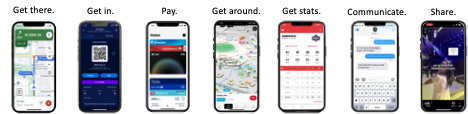
No venue would deny that their engagement with their customers – fans, guests, tenants, operations, employees – is highly dependent on mobile phone connectivity working well. A fan’s journey, from getting to the venue to sharing their experience, is littered with mobile interactions. Tickets are no longer paper; a mobile phone and its apps are required for entry. So, walking away from mobile infrastructure is no longer an option — it’s a true utility, as (or more) important than seats, beer, bathrooms, and the other essentials that are foundational to a sports venue.
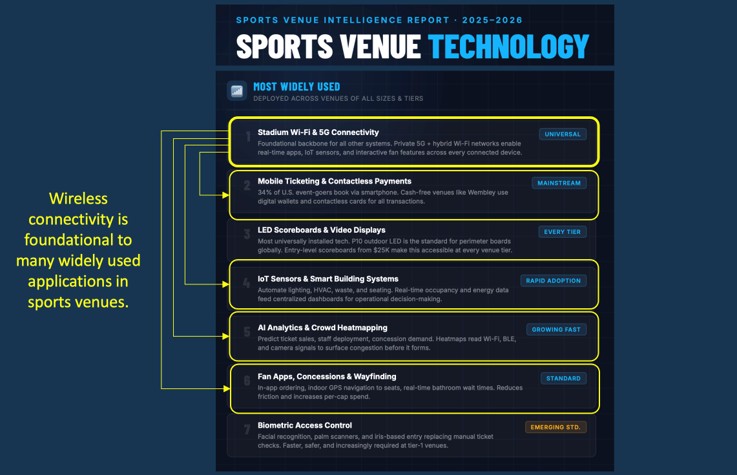
Today, many of the most widely used functions in a sports venue are dependent on wireless connectivity. While the fan — with their tickets, apps, and mobile transactions — is the most visible, other non-human uses are already in place or emerging as critical operational functions, and they can (or will) deliver efficiencies for venue operations.
The Cellular Spectrum Engine is Still Alive
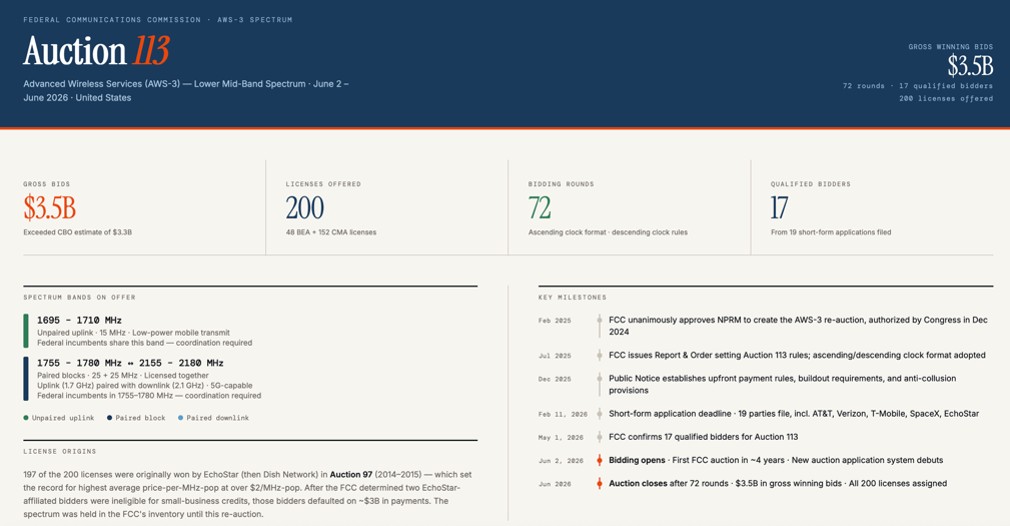
Within weeks of the SEAT event, more spectrum was auctioned by the FCC to mobile carriers, generating $3.5 billion in revenue and injecting more capacity into wireless networks. Expect to see more of this as the administration seeks to push an America First wireless innovation initiative and continue growing this sector. For mobile subscribers and for venues, this is an important initiative that will create more opportunities to do more things with wireless — if you think about it properly.
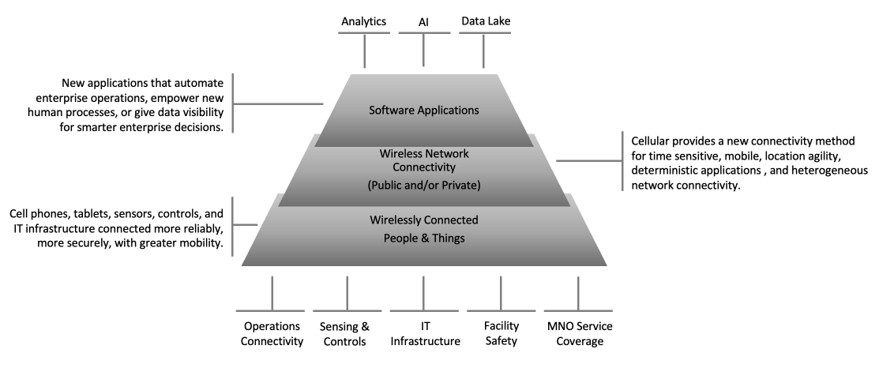
A Framework for Wireless Connectivity
Investments in cellular wireless are often driven primarily by the need to connect mobile phones. Smart venues and venue technology leaders will see past this and lay out frameworks for utilizing wireless infrastructure for much more. No one will dispute that eliminating wires is a good thing — agility is good. Starting with objectives that ask how we can use wireless seems like a logical foundation for planning. Carriers, too, are interested in this, as it makes good sense to find ways to use their infrastructure beyond mobile phones — and all of them offer ways to do this today, whether low-bitrate connections or slices of prioritized capacity with privately controlled SIMs.
The future of venue connectivity is being written today. If you’re planning a new venue, renovation, or evaluating your existing wireless infrastructure, we’d love to start the conversation. Stay tuned for Episode 2 of our Venue Wireless RETHINK series, where we explore why the decades-old funding model for venue wireless is breaking down—and what venue owners need to do now to avoid being left behind.